Allocating factory energy to products: mass, units or value
By Made for Planet Carbon team • • 5 min read
Most factories make more than one product, but they get one electricity bill. To footprint a single product, the factory's energy has to be shared out between everything it made. That sharing is called allocation, and the method you choose can move the result.
- 1Total the year's energyElectricity and fuel per process, from bills
- 2Choose the basisMass, number of units, or economic value
- 3Share it outEach product takes its part
- 4State the choiceAnd test the alternative
Which one standards prefer
ISO 14067 asks you to avoid allocation where you can, for example by metering processes separately, and otherwise to use a physical relationship such as mass. The PACT methodology adds a practical rule: use economic allocation only when the products' value differs by more than five times; otherwise use mass or units.
A simple example
A knitting unit used a year of electricity to make T-shirts and polo shirts of similar weight. Shared by mass, both carry the same energy per kilogram. If one product were several times more valuable than the other, economic allocation would shift energy towards it.
Whichever you choose, state it in the report and test the other method as a sensitivity check. Our footprints do both automatically.
Allocation when products differ a lot
When a factory makes very different products, such as heavy jackets and light T-shirts, sharing energy by units would load too much onto the light products, and sharing by mass might not reflect the work involved. Metering processes separately is the better answer; where that is not possible, state the basis and test the alternative.
Whatever the basis, apply it the same way to every product from the factory, so the shares add up to the factory's total energy.
Allocation inside material factors
Allocation also happens upstream, inside the emission factors you use. A leather factor, for example, depends on how cattle farming emissions are split between hide and meat. Our reports state the allocation each material factor's publisher used, so it is visible rather than hidden.
Allocating factory energy to products: a walkthrough in words
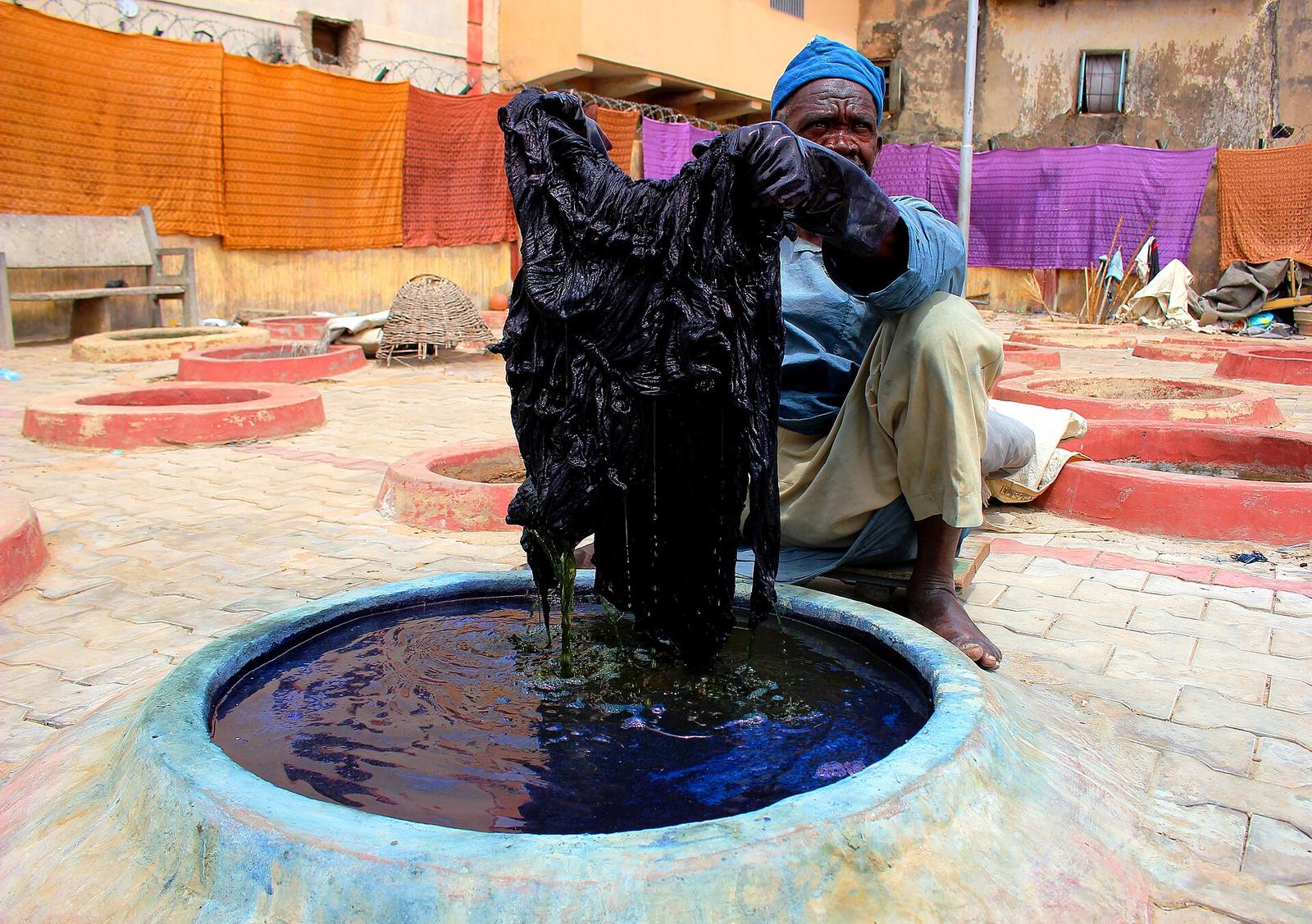
Take a dyehouse that dyes and finishes fabric for two product lines: lightweight shirting and heavy canvas. It has one electricity meter and one fuel bill for its boiler.
Step one is to total the year's electricity and fuel from the bills. Step two is to ask whether any of it can be assigned directly. If the canvas line has its own drying machine on a separate meter, that energy goes straight to canvas and needs no sharing.
Step three is to choose a basis for what is left. The two fabrics are priced in a similar range, so economic allocation is not the obvious choice. Both pass through the same dye baths in proportion to their weight, so mass is a sensible physical basis. Each kilogram of fabric then carries the same share of the remaining energy.
Step four is to check that the shares add back to the total, and step five is to write the choice down and run units as a sensitivity check. If the result moves a lot, that tells you sub-metering would be worth the effort.
Notice what the walkthrough did not do. It did not pick the basis that gave the smallest number for the product the customer asked about. The basis follows how the energy is actually used, and it stays the same for every product from that site.
Common allocation mistakes in a product carbon footprint
- Using output that does not match the energy period. If the bills cover one period and the production figures another, every share is off. Use the same period for both.
- Forgetting shared loads. Lighting, compressed air and offices still use energy. Leave them out and every product looks lower than it is.
- Changing the basis product by product. Picking mass for one item and units for another, to make each look smaller, breaks the rule that shares add up to the total.
- Counting rejects as output. Energy spent on items that were scrapped still has to land on the good products, or it disappears from the footprint.
- Not stating the choice. A buyer who cannot see the basis cannot compare your figure with another supplier's.
Allocation for apparel, footwear and packaging factories
In apparel, the energy-heavy steps are usually spinning, knitting or weaving, and wet processing. Sewing uses less, but it is spread over many styles. Mass often suits the wet steps, while units can suit sewing lines making garments of similar complexity.
In footwear, assembly lines make many styles of different weights. Units, meaning pairs, are often a natural basis for assembly, while moulding of soles may follow mass.
In packaging, a line may run many sizes of the same box or bag. Mass or area of material processed usually reflects the work best. Whichever you use, describe it in words in the report.
Mixed sites need extra care. A factory that makes both garments and packaging for them, for example, should first split energy between the two activities, by sub-meter or by a stated basis, before sharing each part between the products of that activity.
To prepare, gather the year's energy bills, production volumes in both pieces and kilograms, and any sub-meter readings. Then enter energy per process in the full footprint form and see how the method applies your basis.
Reduce the need to allocate
The best allocation is the one you avoid. Sub-meters on spinning, knitting, dyeing and sewing let you assign energy to the processes each product really used. That also raises your primary data share. Enter energy per process in the full footprint form.
Questions
Can I use a different allocation basis for different processes?
Yes, if each choice is stated and each process's energy is shared out in full among the products that used it.
How should energy for lighting and offices be handled?
Include it and share it on a stated basis, applied the same way to every product from the site.
Do the shares have to add up to the factory's total?
Yes. Whatever basis you choose, the energy allocated to all products together should equal the factory's total for the period.
What is allocation in a carbon footprint?
Sharing a process's emissions between the products it makes, by mass, units or economic value.
When does PACT allow economic allocation?
When the products' value differs by more than five times; otherwise mass or units are used.
Does allocation change the total footprint?
It changes how emissions are split between products, so one product's footprint can rise while another's falls.
Keep reading
 Methods & standards • MethodHow to calculate a product carbon footprint, step by stepby Made for Planet Carbon team • 12 Nov 2026 • 7 min read
 Methods & standards • StandardsISO 14067 explained in plain Englishby Made for Planet Carbon team • 12 Nov 2026 • 7 min read
 Methods & standards • DataPrimary vs secondary data, and why buyers ask for your primary data shareby Made for Planet Carbon team • 12 Nov 2026 • 5 min read