Product carbon footprints, made simple.
Paste a product. We do the ISO 14067 standards work. You get a buyer-ready report.
Ready for your buyer.
Sample: organic cotton T-shirt, 180 g, made and sold in India. Calculated by the engine; whole life.
 Handcrafted Lafaani Long Shirt7.33 kg
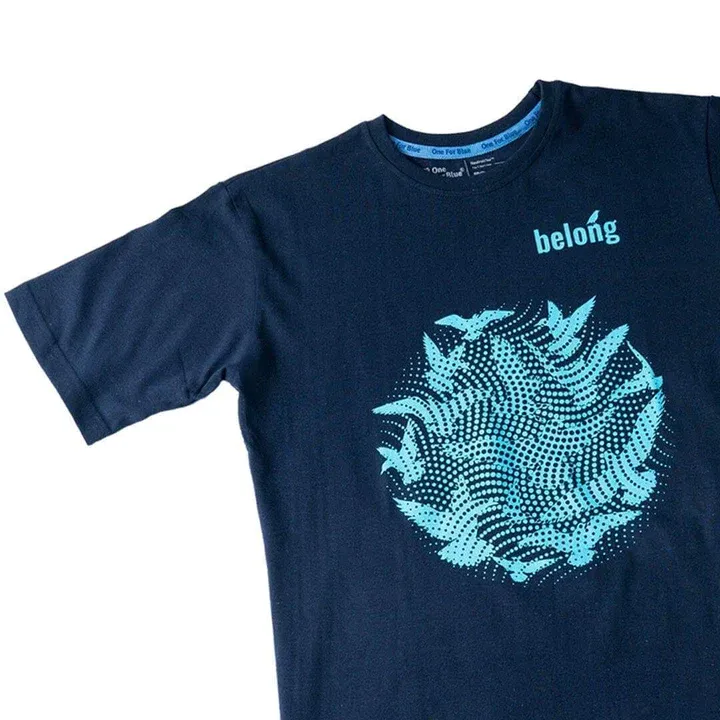 Murmuration of the Starlings8.74 kg
 Be The Changemaker Utility Pouch3.19 kg
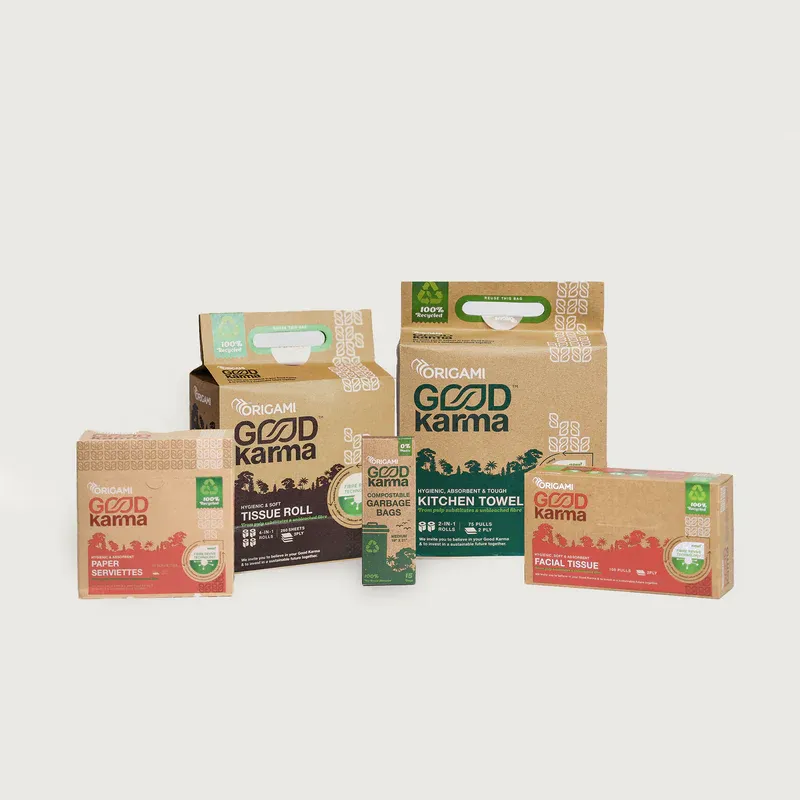 ORIGAMI GOOD KARMA ALL IN 1 HOME PACK2.35 kg
 Rust Ajrakh silk dupatta4.28 kg
 Straight Steel Straw3.46 kg
 Gemma2.16 kg
 Alugulimane/ Pallanguni - Antique2.17 kg
 EVA CORK PHONE CROSS-BODY2.11 kg
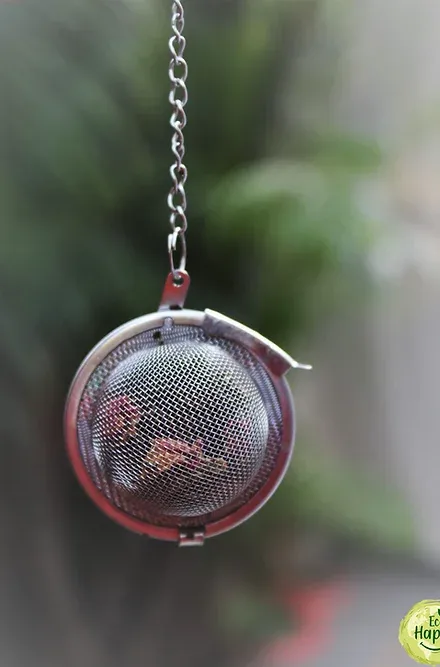 HAPPY TEA INFUSER3.46 kg
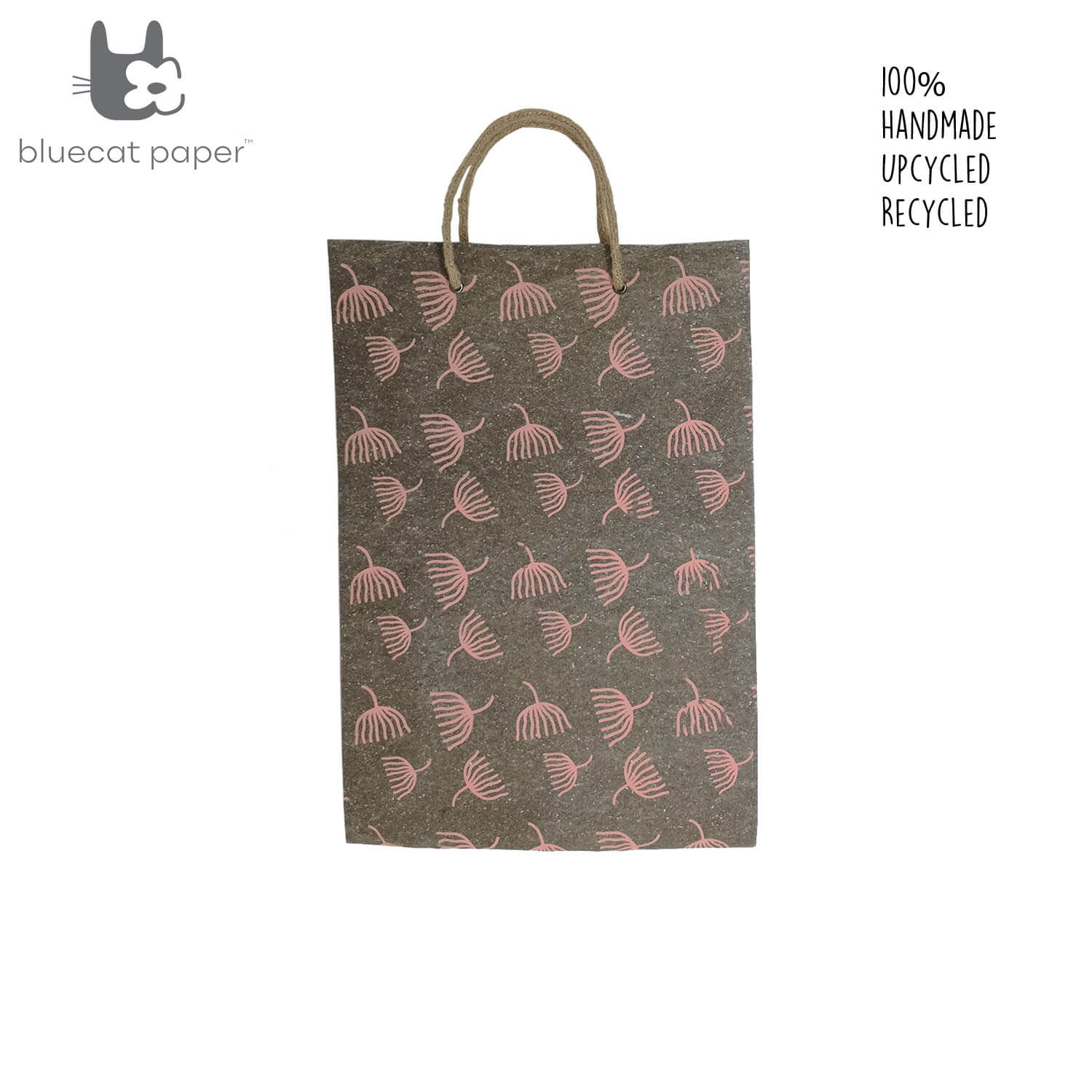 Sustainable Paper Flax Carry Bag (L) – peach dandelion print, jute rope handles (Set of 2)5.24 kg
 Keyring set of 31.89 kg
 Eco Right Canvas Tote Bags for Women with Zip, College Bag for Girls, 100% Organic Cotton Tote Bag for Shopping, Travel & beach bags for women6.57 kg
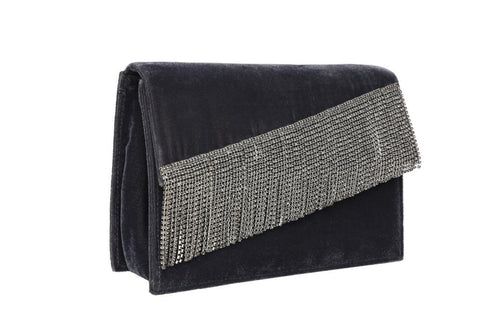 Ivy Grey Silver Velvet handag60.69 kg
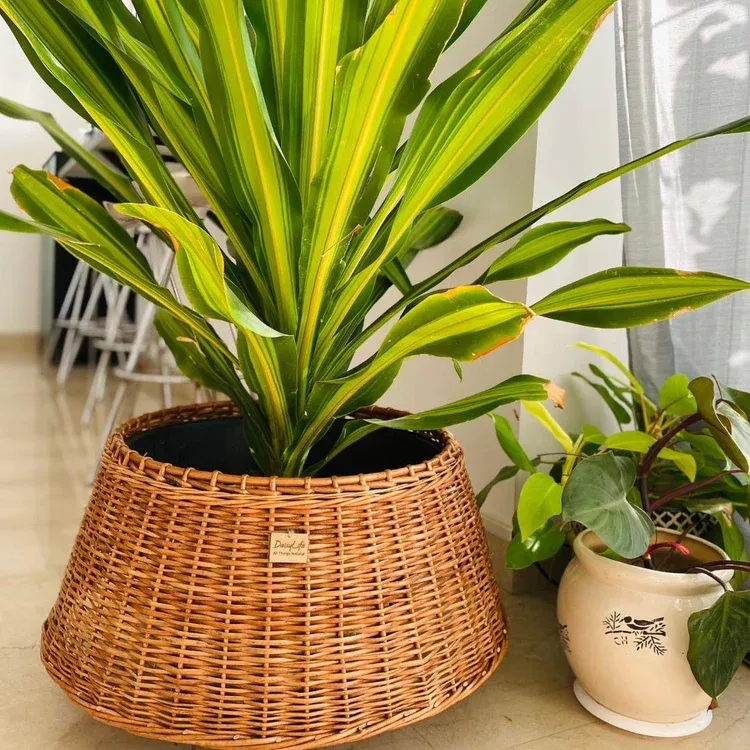 Wicker Christmas Tree Skirt6.22 kg
 Aria Clutch Black6.59 kg
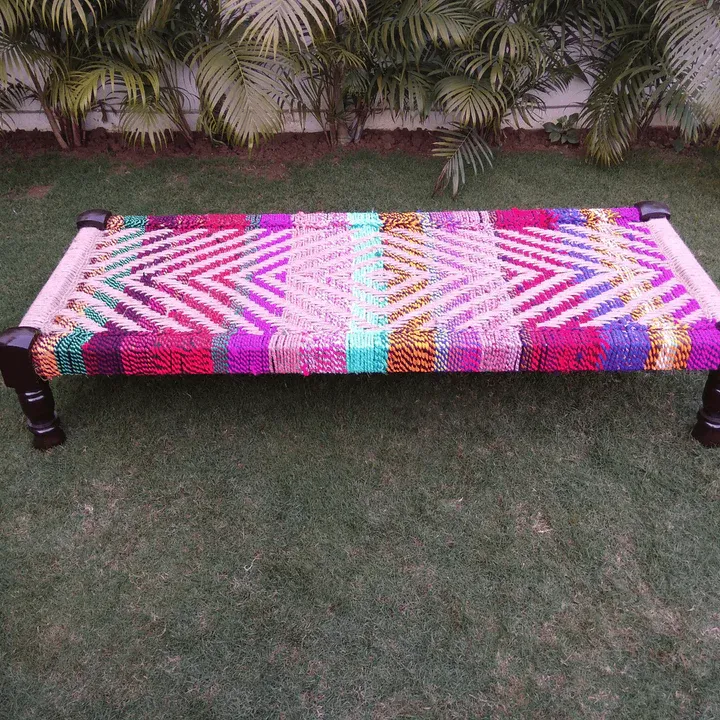 Prismatic Textile & Jute Charpai2.17 kg
 Lavos Women’s Pregnancy Maternity Panty Underwear | Adjustable High Waist Bamboo Cotton Anti-Bacterial Odour Free13.27 kg
 CLAN EARTH Olive Green Koala Backpack Travel Backpack Shoulder Bag for Students, School Bag16.99 kg
 Organic Green French Clay1.99 kg
 Men's Canvas Cruiser16.03 kg
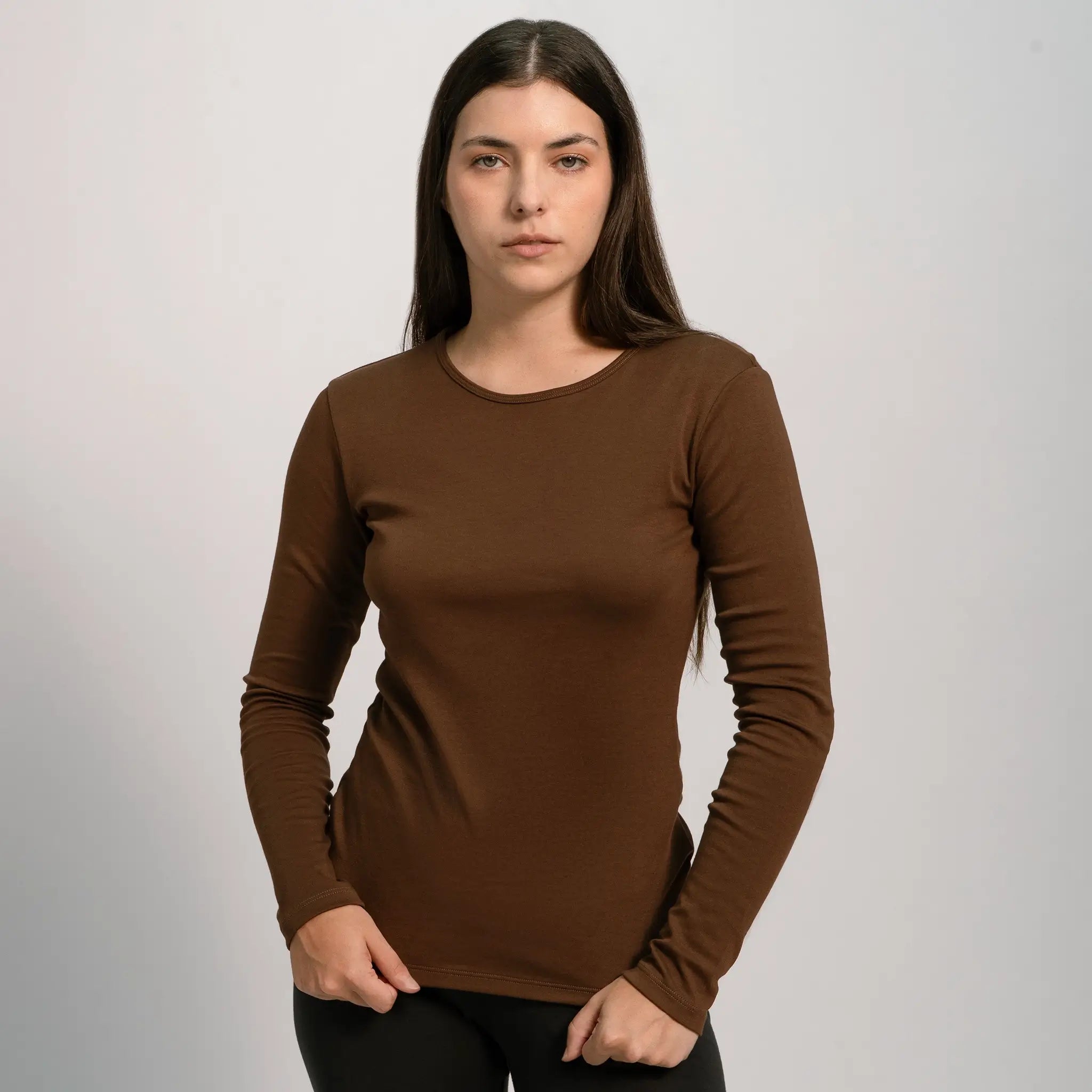 Women's Organic Pima Cotton Long Sleeve Shirt7.33 kg
 Sacred Radiance Body Oil 100ml3.60 kg
 Rose Petal Soap0.11 kg
 Recycled Canvas Tote - XL Gusset6.19 kg
 Wine Bottle Holder - Ardpure6.20 kg
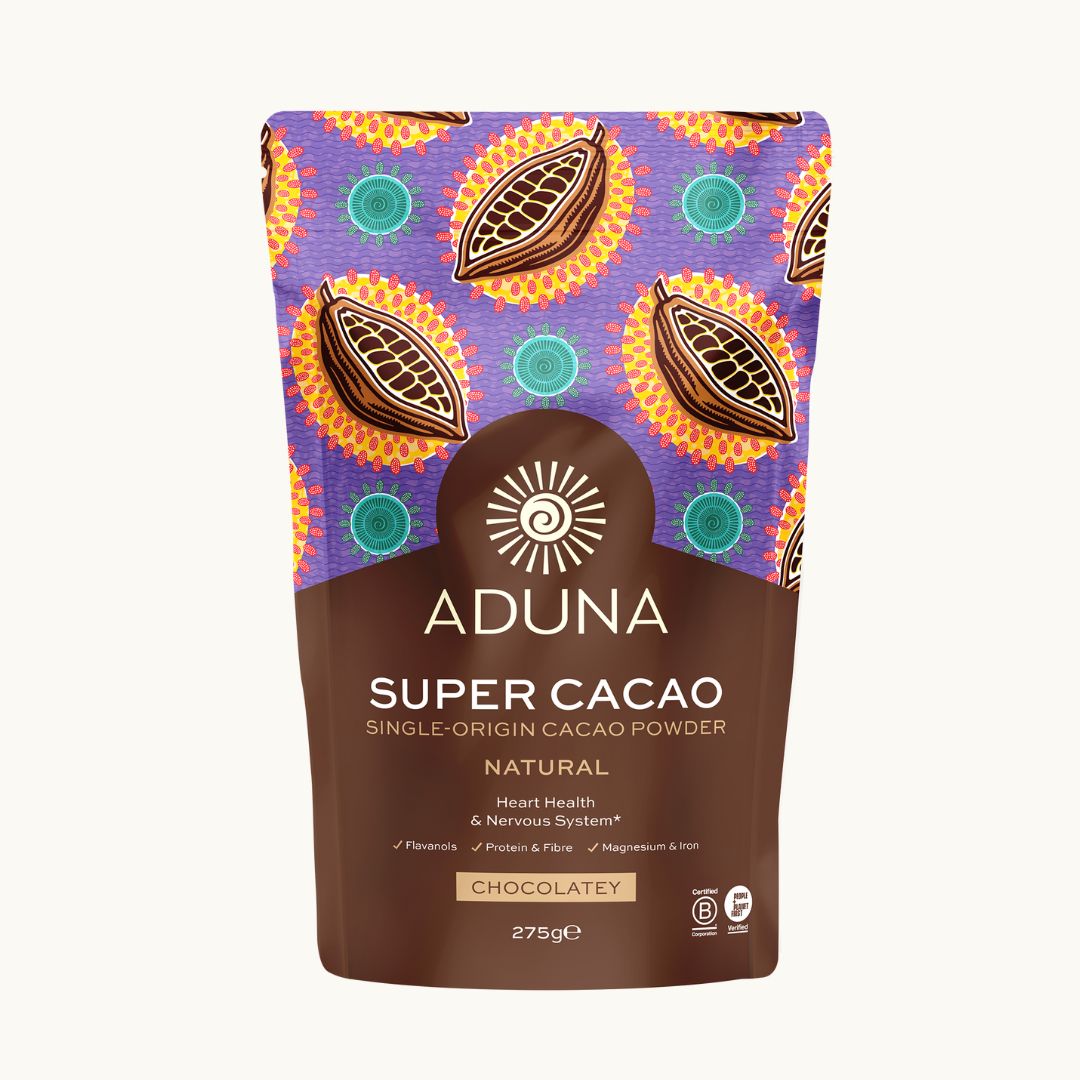 Super Cacao Powder7.79 kg
 Brooklyn Backpack5.08 kg
41,814 products already footprinted. Open one
Complex standards. Simple for you.
- The study's purpose is written down§6.3.1
- No public claim that one product beats another§Annex A
- The unit is clear, and a partial footprint is labelled as such§6.3.3
- The system boundary is described§6.3.4
- The time period is stated and justified§6.3.6
- Product category rules are used where they exist§6.2
- Anything left out is small, estimated and reported§6.3.4.3
- The data is checked for consistency§6.4.3
- Own processes use measured data, or say why not§6.3.5
- Every database value is referenced and fit for purpose§6.3.5
- Shared factory burdens are split by the standard rules§6.4.6
- Recycling is counted with the cut-off method§6.4.6.3
- Electricity covers its whole life cycle§6.4.9.4.1
- Electricity follows the market-based rules§6.4.9.4.4
- Land-use change is counted and shown separately§6.4.9.5
- Biogenic carbon is counted in and out§6.4.9.2
- Air freight is shown separately, without radiative forcing§6.4.9.7
- No offsets or avoided emissions§6.3.4.1
- Latest IPCC warming factors (AR6, 100 years)§6.5.1
- Fossil and biogenic methane are kept apart§6.5.2
- Key choices are stress-tested§6.4.5
- Uncertainty is assessed§6.6
- Data quality is scored§6.3.5
- Limitations are stated§6.6
- Results are broken down the required way§7.2
- The study report contains every required item§7.3
- The PACT data file is complete
- The primary data share is reported
- Independent critical reviewby a reviewer, when you need it
- Third-party verification of the calculation modelby a reviewer, when you need it
- 1Pastea product link or a line about it
- 2Checkwhat we read, tick by tick
- 3Sendthe report to your buyer
Try it on your product.
Three steps, about a minute.- 0.212 kg of Organic cotton lint, India × 1.46 kg CO₂e per kg = 0.31 kgSource: Textile Exchange (2026) LCA for Cotton, technical report, Table 5-2 / Annex F
Every line is an amount × a published emission factor. Tap a line to see it.
Start where you are.
A customer wants a product's carbon footprint.
- 1Paste the product link or describe it
- 2Add a year of electricity units from your bills
- 3Check every value we read
Where the numbers come from
Every emission factor comes from a published source and is credited on the result. These are the public databases we use today.
- AGRIBALYSE (ADEME, INRAE)Food and ingredientsEtalab 2.0
- UK DESNZFuels, transport, materials and wasteOpen Government Licence v3.0
- EmberElectricity by countryCC BY 4.0
- CEA IndiaIndian grid electricityGovernment publication
- AIBEuropean residual electricity mixesAttribution
- Green-e (CRS)US residual electricity mixesPublished rates
- US EPA eGRIDUS grid electricity by subregionPublic domain
- IPCC AR6Warming factors (GWP100)Cite
Plus 49 published studies and product declarations (EPDs) for specific materials, each cited on the result. See the method
Names are listed to credit the sources. Made for Planet Carbon is not affiliated with or endorsed by them.
What do I need?
A product link or a short description. For a footprint to send, a year of electricity units from your bills.
Is it free?
Yes, until we launch on 15 December 2026. Then you pay per finished footprint.
Is it certified?
No. It follows ISO 14067 and shows all its working, for business-to-business use.
Reply to your buyer this week.
Questions? hello@missionsustainability.org