CBAM and textiles: what Indian exporters need to know
By Made for Planet Carbon team • • 9 min read
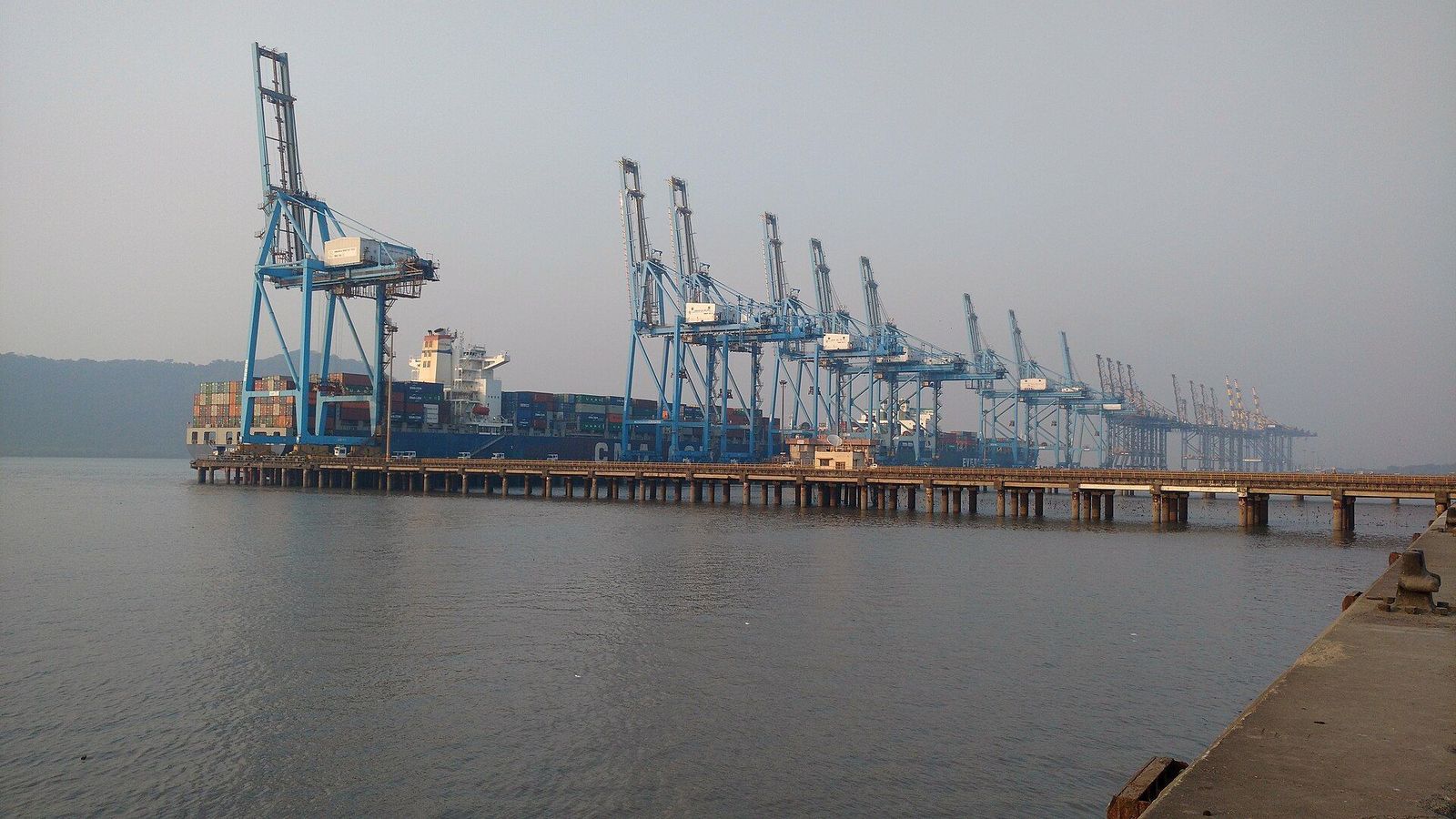
Many Indian textile and garment exporters have been told that the EU's carbon border tax is coming for them. The short answer is that fabrics and garments are **not** on the list of goods that CBAM covers today. That does not mean you can ignore it. Some packaging and metal goods are covered, the list is under review, and the carbon questions your buyers ask come from other rules that do reach you. This guide sets out what the law says, the dates that matter, and what to prepare.
What CBAM is, in plain words
CBAM stands for the Carbon Border Adjustment Mechanism. It was set up by Regulation (EU) 2023/956, adopted on 10 May 2023.
The European Commission describes CBAM as a partner to the EU Emissions Trading System, the carbon price that applies to industry inside the EU. Its aim is that the price of certain imported goods reflects the carbon emitted when they were made. The Commission presents it as a tool against carbon leakage: the risk that production simply moves to places with weaker climate rules.
The obligation sits with the EU importer, not with you as the exporter. But the importer can only report the emissions in your goods if you give them the data. That is how CBAM reaches suppliers in India.
Which goods CBAM covers today
The goods in scope are listed in Annex I of the regulation, by customs code (the CN code). The Commission's CBAM page groups them into six sectors:
- Cement
- Iron and steel, including many finished steel articles
- Aluminium, from unwrought metal to finished aluminium articles
- Fertilisers
- Electricity
- Hydrogen
Are textiles and garments covered?
No. We read Annex I of Regulation (EU) 2023/956 in full. It lists no codes from the textile chapters of the customs tariff (chapters 50 to 63, which cover fibres, yarn, fabric, garments and made-up textiles). It also lists nothing from chapter 64 (footwear) or chapter 48 (paper and paperboard).
So a shipment of cotton T-shirts, denim, home textiles, leather shoes or corrugated boxes does not, by itself, trigger CBAM for the EU importer. If someone tells you that your garment exports now carry a CBAM charge, ask them to point to the CN code in Annex I. For textiles, there is none.
This is the position on the date of this guide. The next two sections explain where CBAM can still touch your business and how its scope may change.
Where textile and packaging suppliers can still meet CBAM
CBAM follows the product, not the industry. A company that makes garments can still ship goods that are on the list. If you are a packaging maker exporting metal containers or foil to the EU, check your CN codes against Annex I with your customs broker. If you only ship fabric, garments, shoes or paper-based packaging, these lines are unlikely to apply to you, but the check takes minutes and is worth doing once.
Annex I includes, among others:
- Aluminium foil (CN 7607), used in some food and pharma packaging
- Aluminium casks, drums, cans and boxes of up to 300 litres (CN 7612)
- Steel tanks, casks, drums, cans and boxes of up to 300 litres (CN 7310)
- Steel screws, bolts, nuts, rivets and washers (CN 7318)
- Other articles of iron or steel (CN 7326) and other articles of aluminium (CN 7616)
The dates that matter
CBAM has two phases. The transitional period ran from 1 October 2023 to 31 December 2025. During it, importers only had to report emissions; nothing was paid.
The definitive period started on 1 January 2026. The Commission's CBAM page says importers now need authorisation, must report, and must buy and surrender CBAM certificates that match the emissions in their imports.
What the 2025 simplification changed
In October 2025 the EU simplified the rules through Regulation (EU) 2025/2083, adopted on 8 October 2025 and published in the Official Journal on 17 October 2025. The main changes:
- A 50-tonne threshold. An importer whose covered goods add up to 50 tonnes or less in a calendar year is exempt for that year. The threshold does not apply to electricity or hydrogen.
- Later payment dates. The first annual declaration, for goods imported in 2026, is due in 2027, by 30 September.
- Certificate sales from 1 February 2027. EU countries start selling CBAM certificates on that date.
- Authorisation first. Importers expecting to pass the threshold must apply to become an authorised CBAM declarant.
What this means for an Indian exporter
The practical effect is this: an EU customer buying only small amounts of covered metal goods may fall under the threshold and need nothing from you. A larger importer will ask you for the emissions data behind each shipment.
Will CBAM be extended to textiles?
The regulation tells the Commission to report, before the transitional period ended, on whether to widen the scope, including to other goods at risk of carbon leakage and to downstream products made from covered goods.
On 17 December 2025 the Commission published a proposal, COM(2025) 989, to extend CBAM to downstream products that use a lot of steel and aluminium, with the extension proposed to apply from 1 January 2028. It is a proposal, not law. It still has to pass the European Parliament and the Council, and the final list of products may change.
Nothing we read in the regulation, the 2025 amendment or the December 2025 proposal adds fabrics or garments. We will not guess at future changes. If your products contain a lot of steel or aluminium, watch the final text of that proposal.
Common myths about CBAM and textiles
Most of these myths come from headlines that treat CBAM as a general carbon tax on imports. The law is narrower than that, and the list of goods is the place to start.
- "CBAM is a tax on all Indian exports." It covers only the goods listed in Annex I. Garments, fabric, footwear and paper packaging are not on it.
- "The exporter pays CBAM." The duty sits with the EU importer, who must be an authorised CBAM declarant. You are asked for data, not for payment.
- "Payments started in 2023." From 2023 to 2025 importers only reported. The definitive period began in 2026, and certificate sales start on 1 February 2027.
- "Every importer of steel or aluminium goods is caught." Since the 2025 amendment, importers bringing in 50 tonnes or less of covered goods in a year are exempt for that year.
- "Textiles are being added next year." The only extension proposal we read covers downstream products with a lot of steel and aluminium, and it is not yet law.
- "A CBAM figure answers a brand's carbon questionnaire." It does not. Brands ask for a product carbon footprint per item, which covers more than CBAM does.
Questions to ask your EU buyer
If a customer mentions CBAM in a supplier request, a short reply with a few questions saves weeks of confusion:
- Which of our products do you think are in scope? Ask for the CN codes they have in mind.
- Is this request for CBAM or for your own carbon reporting? The data and the format are different.
- What unit and boundary do you need? For a carbon footprint, that is usually one piece, from raw materials to our factory gate.
- Which format can you import? Many brands accept the PACT data file.
- What is your deadline, and for which reporting year?
Why your EU buyer still asks about carbon
If CBAM does not cover garments, why do brands keep sending carbon questionnaires? Because CBAM is only one of several pressures, and it is not the main one for textiles.
Brands report the emissions in the goods they buy as part of their own Scope 3 inventory, and they want supplier data rather than averages; see why buyers ask for supplier product carbon footprints. The EU's ecodesign law also lets product rules require carbon footprint information, and textiles are among the first products in line; see our compliance overview and the EU rules on environmental claims.
The data a brand wants here is a product carbon footprint (buyers often shorten it to PCF): the greenhouse gas emissions of one unit of product, such as one shirt, from raw materials to your factory gate. It is a wider measure than CBAM's embedded emissions, which look at how the covered goods themselves were produced. See what a product carbon footprint is.
What to prepare now
Whether or not CBAM ever covers textiles, the same habits make you ready for it and for your buyers today:
- Know your CN codes. List the export codes for every product line and check them against Annex I once a year.
- Measure energy by site. Keep monthly electricity, fuel and steam records for each factory. These drive both a CBAM report and a product carbon footprint.
- Track materials by product. Record fibre, fabric, trims and packaging weights per piece, with their sources.
- Ask your own suppliers. Mills, dye houses and metal suppliers hold data you will need. Ask for it in writing; see primary vs secondary data.
- Use a recognised method. Build footprints to ISO 14067 and share them in the PACT data file format that many brands can import.
- Keep sources on file. Note every emission factor and where it came from, so a buyer or auditor can follow your numbers.
How we can help
You can get a first carbon footprint for a product in a few minutes with our analyser, or upload a product list to cover a whole range. Our methodology page shows how figures are built, and our page on making claims explains how to talk about results in public.
This guide explains the law in plain words. It is not legal advice. For customs classification or CBAM obligations on a specific shipment, speak to your EU importer, a customs broker or a lawyer.
Questions
Does CBAM apply to garments exported from India to the EU?
No. Annex I of Regulation (EU) 2023/956 lists cement, iron and steel, aluminium, fertilisers, electricity and hydrogen. It contains no codes from the textile chapters 50 to 63.
Does CBAM cover footwear or paper packaging?
No. Annex I lists nothing from chapter 64 (footwear) or chapter 48 (paper and paperboard). Some metal packaging, such as aluminium foil and aluminium or steel cans, is covered.
Who pays CBAM, the exporter or the importer?
The EU importer, as an authorised CBAM declarant, reports and surrenders certificates. Exporters are asked to supply the emissions data behind their goods.
When did CBAM payments start?
The definitive period began on 1 January 2026. Under the 2025 amendment, the first annual declaration for 2026 imports is due by 30 September 2027, and certificate sales start on 1 February 2027.
What is the CBAM 50-tonne threshold?
Since Regulation (EU) 2025/2083, an importer whose covered goods total 50 tonnes or less in a calendar year is exempt for that year. It does not apply to electricity or hydrogen.
Will textiles be added to CBAM later?
Nothing in force or proposed that we read adds them. The December 2025 proposal covers downstream products with a lot of steel and aluminium, and it is not yet law.
Is a CBAM report the same as a product carbon footprint?
No. CBAM looks at the emissions from producing specific covered goods. A product carbon footprint covers one unit of any product from raw materials to the factory gate, which is what brands ask textile suppliers for.
Keep reading
 For suppliers • Buyer requestsHow to answer a customer's request for a product carbon footprintby Made for Planet Carbon team • 12 Nov 2026 • 6 min read
 Methods & standards • MethodScope 3 and supplier product footprints: why your buyer needs yoursby Made for Planet Carbon team • 12 Nov 2026 • 5 min read
 Basics • RegulationThe EU rules on environmental claims from 27 September 2026by Made for Planet Carbon team • 12 Nov 2026 • 6 min read