The carbon footprint of a pair of jeans
By Made for Planet Carbon team • • 5 min read
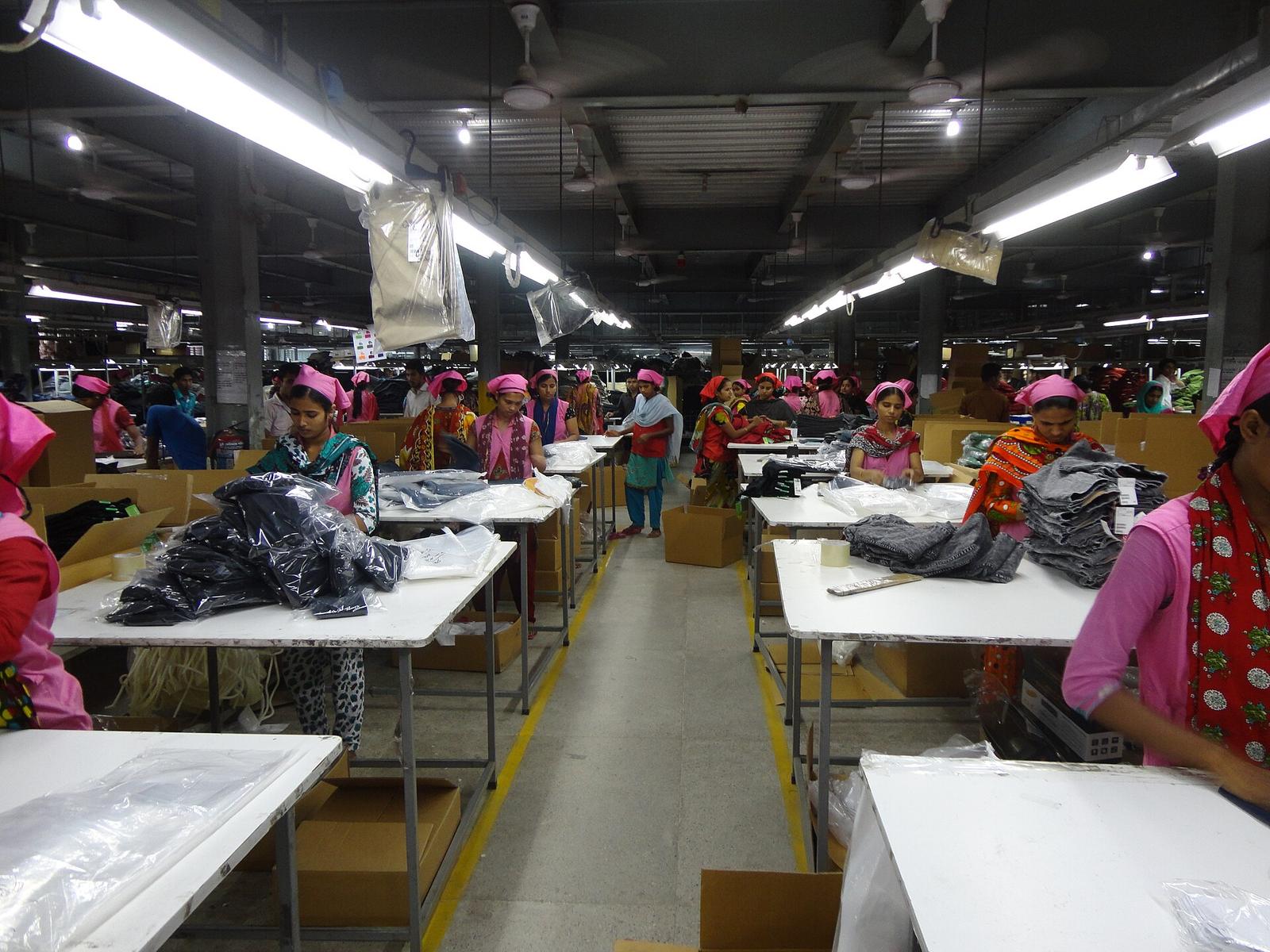
Jeans are heavy, dyed and washed for years, which makes them one of the larger footprints in a wardrobe. Our catalogue holds hundreds of them, all footprinted with the same method, so we can show what a typical pair looks like and why two pairs can differ several times over.
- Raw materials 7%
- Production 53%
- Packaging 1%
- Distribution 1%
- Use 35%
- End of life 2%
The typical figure
Across 366 pairs in our catalogue, the median footprint is 16.5 kg CO₂e per pair over its whole life. The middle half sit between 6.65 and 18.6 kg: a much wider spread than for T-shirts.
These are screening estimates from listing data, with typical weights and countries recorded where a listing does not state them.
Why the range is so wide
- Weight: denim fabric is heavy, and a pair can weigh twice as much as another.
- Fibre: all-cotton denim, stretch blends and recycled fibre carry different material factors.
- Where it is made: the electricity grid behind spinning, weaving, dyeing and finishing changes the production stage a lot.
- Care: how often a pair is washed and dried decides the use phase.
Where it comes from
Production is about 53% of the typical whole-life footprint, and the use phase about 35%. Raw materials are about 7%. The rest comes from packaging, transport and end of life.
- Raw materials 7%
- Production 53%
- Packaging 1%
- Distribution 1%
- Use 35%
- End of life 2%
What lowers a pair's footprint
- Cleaner factory energy in spinning, weaving and finishing, the largest stage.
- Less fabric waste in cutting.
- Fewer, colder washes and line drying for the wearer.
- A longer life: the footprint per year of wear falls the longer a pair is worn.
Cradle to gate for jeans
A denim supplier answering a buyer usually sends the cradle-to-gate footprint, which stops at the factory gate and leaves out washing and disposal. Because the use phase is a large part of a pair's whole-life figure, the cradle-to-gate number is noticeably lower. See cradle to gate vs cradle to grave.
Our reports show both figures, so the buyer always knows which one they are reading.
Footprint your own denim
Start with fabric weight per pair, the fibre mix, and where the fabric is woven and finished. Add a year of factory energy for cutting, sewing and laundry or finishing, and the transport of fabric to you. Estimate a pair from its product page, then add your own data in the full footprint form.
Calculating the carbon footprint of jeans, step by step in words
Start with the denim. Weigh one finished pair, add back the fabric lost in cutting, and you have the fabric each pair really uses. Multiply by factors for the fibre and for the stages the fabric passed through: spinning, dyeing the yarn, weaving and finishing.
Then add the trims. Jeans carry more than most garments: metal buttons and rivets, a zip, labels and thread. Each is small, but metal parts can carry a noticeable share, so weigh them rather than ignore them.
Next comes your own factory: a year of energy for cutting, sewing and, often the heaviest step, garment washing and finishing, shared over the pairs produced. Add inbound transport and the packaging each pair ships in, and you have the cradle-to-gate figure. The whole-life figure adds the wearer's washing and drying and the end of life.
Write down at each step which values are measured and which are assumed. For jeans, the fabric weight, the mill's grid and the laundry's energy are usually the lines that matter most, so they are the best places to swap an assumption for your own data.
What denim suppliers should prepare
Denim suppliers often hold more of this than they realise, spread across the cutting room, the laundry and purchasing. Gather it for one core fit first, then reuse it for the rest of the range.
Keep the records by style and by data year. When the buyer asks next year, you will only need to update what changed, such as a new mill, a new finish or a new energy contract.
- Finished weight per pair for each fit, or for a typical size stated in the report.
- Fibre mix: cotton, recycled cotton, polyester, elastane or other blends.
- Fabric source: the mill and country where the denim is woven and finished, and any footprint the mill can share.
- Trims: the weight and material of buttons, rivets, zips and labels.
- Wash and finish records: which processes each style goes through, and the energy and heat they use.
- Cutting losses from your cutting room.
- Packaging: tags, bags and the carton share per pair.
- A year of factory energy bills, with the number of pairs produced in the same period.
Common misunderstandings about the carbon footprint of jeans
Jeans attract strong opinions, and some of them do not hold up once you work through the numbers line by line.
- "All jeans are about the same." Weight, fibre, finishing and country can make two pairs differ several times over, as our catalogue shows.
- "The wash effect is only about water." Garment washing and finishing also use heat and electricity, which show up in the carbon footprint.
- "Trims are too small to count." Individually they are small, but metal parts add up across a range and should be weighed.
- "A whole-life figure and a cradle-to-gate figure are interchangeable." They answer different questions. For jeans the gap between them is large, so always state which one you mean. See cradle to gate vs cradle to grave.
- "Recycled cotton settles the question." It changes the material stage, but the fabric weight, the finishing and the factory's energy still decide much of the total.
- "Only the brand can lower the footprint." Mills, laundries and sewing factories control the energy and the waste in production, the largest stage.
Compare pairs
Browse jeans in our catalogue, compare two side by side, or see how the same method works for a T-shirt.
Questions
Do metal buttons and rivets count in a pair of jeans' footprint?
Yes. They are part of the product, so they belong in the material stage. Weigh them and use a factor for the metal they are made of.
Does the wash finish of a pair of jeans change its footprint?
It can. Heavier washes and finishes use more energy and heat at the laundry, which raises the production stage.
Does stretch denim have a different footprint?
It can: elastane and other blends carry their own material factors, and the weight and process also differ.
How many kg CO₂e is a pair of jeans?
In our catalogue the median is about 16 kg CO₂e per pair over its whole life (screening estimates). Individual pairs vary widely.
What part of a pair of jeans' life emits the most?
Production (spinning, weaving, dyeing and finishing), then washing and drying.
Do recycled fibres lower the footprint?
Usually the material stage falls, but the total also depends on weight, energy and where the jeans are made.
Keep reading
 Basics • ApparelThe carbon footprint of a T-shirt: what our catalogue showsby Made for Planet Carbon team • 12 Nov 2026 • 5 min read
 Basics • BoundariesCradle to gate vs cradle to grave: which one does your buyer want?by Made for Planet Carbon team • 12 Nov 2026 • 5 min read
 Basics • Product footprintsWhat is a product carbon footprint?by Made for Planet Carbon team • 12 Nov 2026 • 7 min read